Showing posts sorted by relevance for query lost collaxa. Sort by date Show all posts

Jan 31, 2020

Oracle BPEL: What's up with it?

Nearly 20 years ago there was a new standard for modelling business processes: BPEL (https://en.wikipedia.org/wiki/Business_Process_Execution_Language)
Oracle bought Collaxa and released the Oracle BPEL Process Manager.
In 2009 i wrote some posts over tutorials, which where from collaxa and which were very useful for starting with Oracle BPEL product:
http://dietrichschroff.blogspot.com/search?q=lost+collaxa

And what is left today?

The product is still listed on Oracle homepage:

And there is a section with some "news":


But the version number 10.1.3.4 is not really somehing new and if you open the white paper you will see:

I think a whitepaper from 2014 is not really something new. 

If you take a look on the BPEL specification at oasis (http://docs.oasis-open.org/wsbpel/2.0/OS/wsbpel-v2.0-OS.html), you can see, that there was no update to the BPEL standard for more than 10 years. 

It is very sad, that this concept of modelling processes in a graphical way was unsuccessful...

Nov 2, 2008

The lost (collaxa) BPEL-tutorials: 112.Arrays

If you do not know how to iterate over an array, you should read this tutorial:

To model an array with XML you have to create the following XSD:


The element line-item is modelled like this:

<element name="line-item" type="tns:line-itemType" maxOccurs="unbounded"/>

Here the BPEL of this collaxa-tutorial:

If you take a look at the sample code, it works like this:

  1. create a xpath-expression via concat
  2. use this xpath-expression inside another expression
  3. increment the iterator-variable
That's all:

concat('/tns:invoice/tns:line-item[',bpws:getVariableData('iterator'),']/tns:line-total')
is evaluated at runtime to:
/tns:invoice/tns:line-item[1]/tns:line-total
and inserted
bpws:getVariableData('input','payload','/tns:invoice/tns:line-item[1]/tns:line-total')

Another way is to write just
bpws:getVariableData('input','payload','/tns:invoice/tns:line-item[$iterator]/tns:line-total')
which is much easier...

One nice thing with this 112.Arrays example is, that after deployment you find the BPELConsole already filled with parameters:


How can this be achieved? After deployment you can use the checkbox "Save Test" for the first invoke and after that you get this parameters each time filled in.
In this example just take a look at the bpel.xml:


Inside the bpel.xml you can put the default data for the BPELConsole inside this CDATA:
<property name="defaultInput"><![CDATA[
<mydata>parameter1</mydata>
]]></property>


Mar 6, 2009

The lost (collaxa) BPEL-tutorials: 102.Invoking... RMI

This tutorials shows, how to invoke a BPEL process inside Oracle's PM using RMI.
To run this tutorial please deploy the CrediRatingService like shown in this posting.

Then enter the directory $ORACLE_HOME/bpel/samples/tutorials/102.InvokingProcesses/rmi. First take a look at the sample code (com/otn/samples/RMIClient.java):

Locator locator = new Locator("default","bpel",props);
IDeliveryService deliveryService = (IDeliveryService)locator.lookupService(IDeliveryService.SERVICE_NAME );
// construct the normalized message and send to collaxa server
NormalizedMessage nm = new NormalizedMessage( );
nm.addPart("payload", xml );
NormalizedMessage res = deliveryService.request("CreditRatingService", "process", nm);
Map payload = res.getPayload();


and the properties inside context.properties:
orabpel.platform=ias_10g
java.naming.factory.initial=com.evermind.server.rmi.RMIInitialContextFactory
java.naming.provider.url=opmn:ormi://mysoaserver:6003:oc4j_soa/orabpel
java.naming.security.principal=oc4jadmin
java.naming.security.credentials=SECRET

and that's all.
To run this example set BPEL_HOME to $ORACLE_HOME/bpel and type
$ORACLE_HOME/ant/bin/ant javac
and
$ORACLE_HOME/ant/bin/ant run

The result should look like this:

oracle@mysoaserver:tutorials/102.InvokingProcesses/rmi >/opt/oracle/product/10.1.3.1/OracleAS_1/ant/bin/ant run
Buildfile: build.xml

run:
[copy] Copying 1 file to $ORACLE_HOME/bpel/samples/tutorials/102.InvokingProcesses/rmi/classes
[echo] JRMI Client on ias_10g app-server
[java] ssn is 123-12-1234
[java] {java.naming.provider.url=opmn:ormi://gipsun173.gip.local:6003:oc4j_soa/orabpel, java.naming.factory.initial=com.evermind.server.rmi.RMIInitialContextFactory, orabpel.platform=ias_10g, java.naming.security.principal=oc4jadmin, java.naming.security.credentials=SECRET}
[java] BPELProcess CreditRatingService executed!<br>
[java] Credit Rating is <rating xmlns="http://services.otn.com">560</rating>

BUILD SUCCESSFUL
Total time: 12 seconds


You can find all bpel tutorials on this blog via this link.

Jun 26, 2008

The lost (collaxa) BPEL-tutorials: 103.XMLDocuments

After you have everything in place (follow this posting), let's step to this tutorial: 103.XMLDocuments
In this sample a "complex" xml document is created within the bpel. Sometimes you have to answer the question: there is a xml document with many defaults and you want to update only a few parameters.
Here the solution:
Build a BPEL and use a xsd which corresponds to your complex xml document. In this BPEL add an assign with the following operation:


The option "XML Fragment" can be chosen in the pulldown menu within the create operation dialog.
Into this XML Fragment you have to add the following xml


if your XSD looks like this:

<schema targetNamespace ="http://samples.otn.com/finance"
xmlns = "http://www.w3.org/2001/XMLSchema"
elementFormDefault="qualified"/>
<complexType name="StockReviewSheetType"/>
<sequence/>
<element name="symbol" type="string" />
<element name="targetPrice" type="float" />
<element name="currentPrice" type="float" />
<element name="action" type="string" />
<element name="quantity" type="int" />
<sequence/>
<complexType/>
<schema/>

Very important is to specfy the right namespace in the xml fragment. If you forget this, the assign is executed, but it is like you assign values to the variables of com.gip.myclass and you need them in com.xyna.myclass.... This will break your workflow not now, but later...

Apr 3, 2009

The lost (collaxa) BPEL-Tutorials: 106.ParallelFlows

This tutorials shows, how to use the parallel flow with Oracle's BPEL PM.
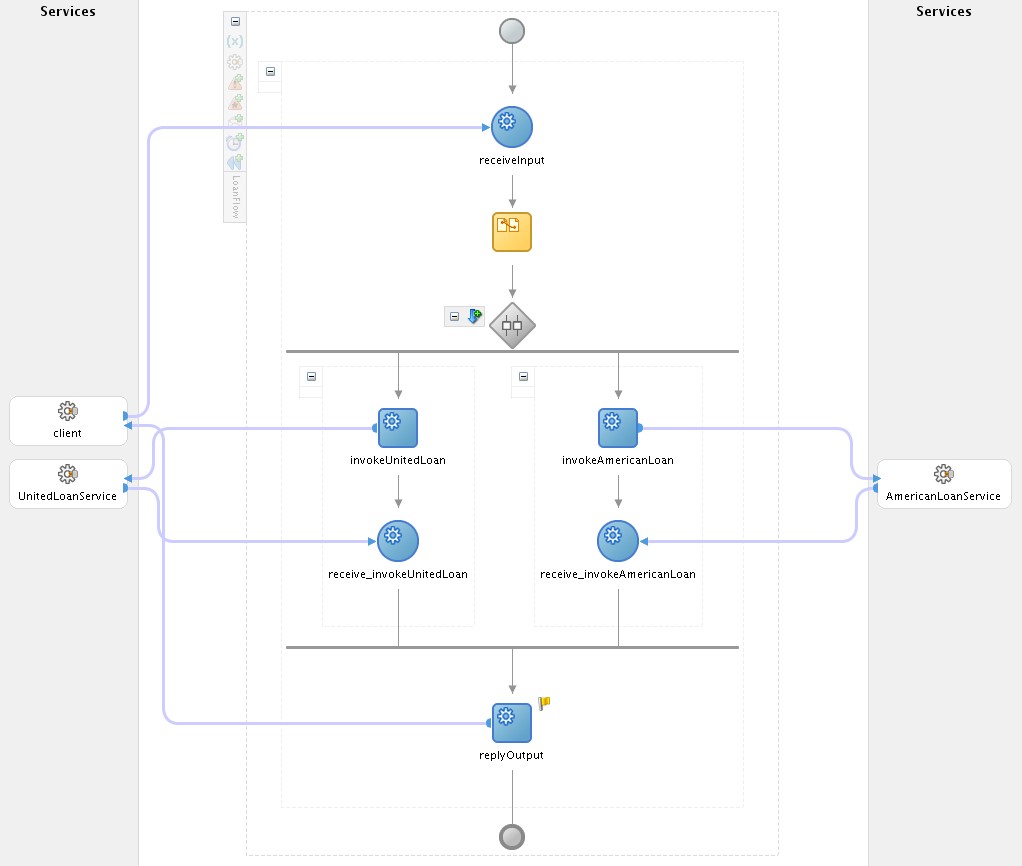
The process looks like this:


First you have to set up everything (see this posting) and change these property files:

/opt/oracle/product/10.1.3.1/OracleAS_1/bpel/samples/tutorials/106.ParallelFlows/build.properties
/opt/oracle/product/10.1.3.1/OracleAS_1/bpel/samples/utils/AsyncLoanService/UnitedLoan/build.properties
/opt/oracle/product/10.1.3.1/OracleAS_1/bpel/samples/utils/AsyncLoanService/AmericanLoan/build.properties


(at least username, passwort and port)
Then use the following commands to deploy everything:


/opt/oracle/product/10.1.3.1/OracleAS_1/bpel/bin/devprompt.sh

bash-3.00$ /opt/oracle/product/10.1.3.1/OracleAS_1/ant/bin/ant
...
BUILD SUCCESSFUL
Total time: 4 seconds


To see the example running, go to the BPELConsole and open the FlowSample process and initiate it with the following XML Source:

<soap:Envelope xmlns:soap="http://schemas.xmlsoap.org/soap/envelope/">
<soap:Header/>
<soap:Body xmlns:ns1="http://www.autoloan.com/ns/autoloan">
<loanApplication xmlns="http://www.autoloan.com/ns/autoloan">
<SSN>987654321</SSN>
<email>ganga.sah@oracle.com</email>
<customerName>Ganga Sah</customerName>
<loanAmount>25000.00</loanAmount>
<carModel>Honda Acura</carModel>
<carYear>2004</carYear>
<creditRating>750</creditRating>
</loanApplication>
</soap:Body>
</soap:Envelope>


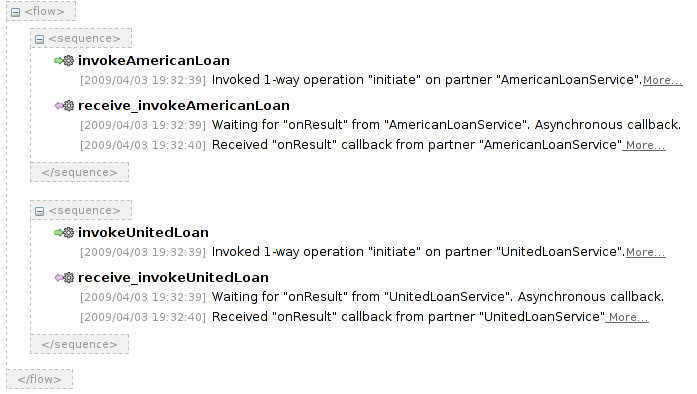
Then the audit trails will show the following:


You can see at the timestamps, that both sequences are really running in parallel. But note that this does not already happen:

http://forums.oracle.com/forums/thread.jspa?messageID=3297029&#3297029
(running synchronous processes in parallel)
or
http://forums.oracle.com/forums/thread.jspa?messageID=2246512&#2246512
(variables in parallel flows)

You can find all bpel tutorials on this blog via this link.

Dec 2, 2008

The lost (collaxa) BPEL-tutorials: Tutorial 3: Manipulating XML Documents in BPEL

There is a nice tutorial for all xml beginners. You can download this document here.
I just copied some headlines from the table of contents, which should be known by every BPEL developer:


  • Manipulating Arrays
  • Statically Indexing into an Array
  • Determining Array Size
  • Dynamically Indexing into an Array
  • Dynamically indexing by Constructing an XPath at Run Time
  • Dynamically Indexing with the BPEL getElement Function
  • Merging Arrays
  • Appending New Items to an Array
  • Converting From a String to an XML Element
  • Differences for RPC-style WSDL Files

Initializing a Variable with Literal XML was shown in 103.XMLDocuments.
To start with arrays you can try the tutorial 112.Arrays.

The size of an array can be evaluated with this expression:

<assign><copy>
<from expression="ora:countNodes('output', 'payload','/invoice/lineItems/item')"/>
<to variable="lineItemSize"/>
</copy></assign>


To convert excaped XML to a variable the following snippet is very useful:

<assign><copy>
<from expression="ora:parseEscapedXML('
<item xmlns="http://samples.otn.com"sku="006">
<description>sun ultra sparc VI server</description>
<price>1000</price>
<quantity>2</quantity>
<lineTotal>2000</lineTotal>
</item>
')"/>
<to variable="escapedLineItem"/>
</copy></assign>


The opposite can be done with ora:getContentAsString().

Oct 15, 2017

Oracle SOA Suite developer IDE: Creating a BPEL process (101HelloWorld)

After downloading and installing jdeveloper SOA Suite edition here a short 101 for building a BPEL process. (Nearly 10 years ago i posted the lost collaxa tutorials: 101.HelloWorld. All of these tutorials can be found here.)

First you have to start your jdeveloper (Middleware/Oracle_Home/jdeveloper/jdev/bin/jdev) and choose "All Features":
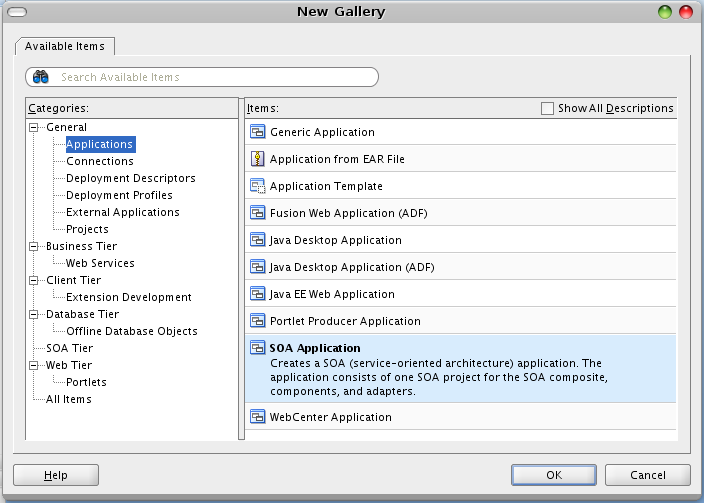
Then create a new application:
and choose SOA application:
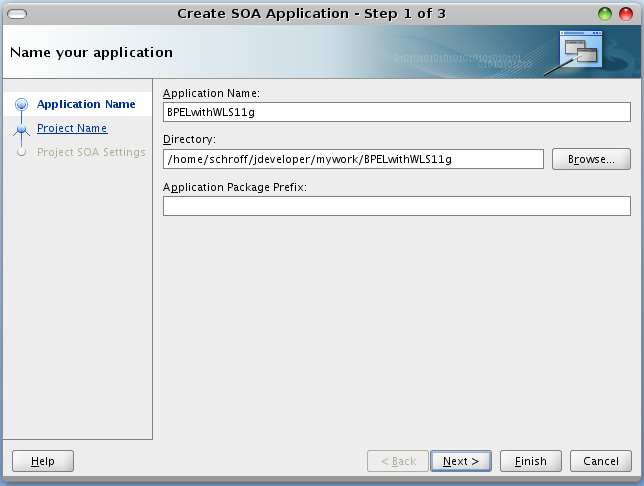
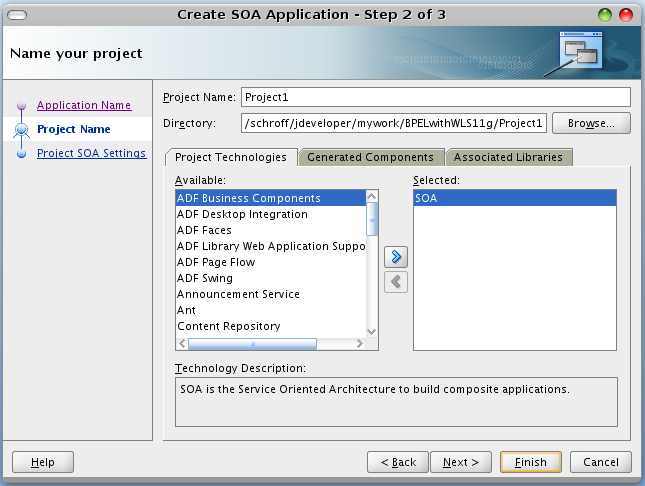
and walk through the application wizard:
application wizard 2/3
application wizard 3/3
application wizard 3.1/3 (create BPEL process)

and here we are:

a right click onto the blue BPELProcess1 icon and "edit" opens the BPEL process:


On the right hand to this process you can find the components palette:

Now drag and drop the assign icon between the receiveInput and replyOutput node:


A right click to the Assign node and choosing "edit" will open up this dialog:


You can do this mapping via drag and drop:


and finished!

A nice feature of jdeveloper is the "History" tab, where you can compare changes within the XML:


Next posting i will show, how you can run this BPEL process within the jdeveloper builtin weblogic server.

Jun 22, 2008

The lost (collaxa) BPEL-tutorials: 101.HelloWorld

There are many people who want to get used to BPEL in particular to Oracle BPEL PM. Now if you search the ORACLE_HOME of your Oracle Application Server 10g, you will find the following diretory:
/opt/oracle/product/10.1.3.1/OracleAS_1/bpel/samples/tutorials

In this directory there are many samples like 101.HelloWorld. The samples were built as the BPEL engine was not yet bought from Oracle. And this is the problem of this samples. You can not find any document, where these are described. I only found this reference:
BPEL4WS 101 Tutorial. Learn BPEL through an example

So i think, it would be helpful, if i explain some of the tutorials here on my blog....
Let's start with this 101.HelloWorld:

So what does this example tell us?
Nothing special. Just the typical Hello World AND HOW TO SET UP EVERYTHING (like connecting jdeveloper and BPEL PM, Deploying a BPEL, Testing a BPEL, ...)

Download jdeveloper 10.1.3.3
Unzip the file
Start jdeveloper (JDEV_HOME/jdeveloper.exe on Windows or JDEV_HOME/jdev/bin/jdev on Linux)
Create an application (File->New or for deeper understanding read here
Open the HelloWorld.jpr (just answer the migration dialog with yes)
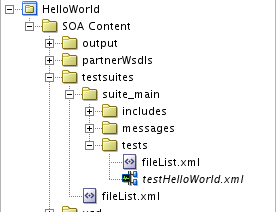
DoubleClick HelloWorld.bpel and testHelloWorld.xml

Then you should see this (after dragging one tab to the right):

To get the BPEL running, you have to perform the following:
JDeveloper: Setting up an application server connection
JDeveloper: Setting up an integration server connection
JDeveloper: Deployment of a BPEL
Login to you BPELConsole (yourwindowsserver:80/BPELConsole or yourunixserver:7777/BPELConsole)
Automated testing of a BPEL (you have to do first Deploying a test suite and second Running a test suite).

So this is all you can learn from this 101.HelloWorld tutorial: Deploy a BPEL and do an automated test.

You can find all bpel tutorials on this blog via this link.

UPDATE: You can find the 101.HelloWorld with SOA Suite 11g here.

Aug 15, 2009

Migrating BPEL projects from 10g to 11g (example: 101.HelloWorld)

On this blog i started more than one year ago with the lost (collaxa) BPEL-tutorials. My first posting was the 101.HelloWorld.
Now after the arrival of Oracle's application server 11g i decided to do all the tutorials again to see what has changed. So let's start:
First you need to download jdeveloper 11g and add the bpel components.
Then get the old bpel tutorials (you can copy them from an 10g installation area: /opt/oracle/product/10.1.3.1/OracleAS_1/bpel/samples/tutorials).
After that open jdeveloper and create an application:


Then you have to create a project, even we do not need this here:


Then you can click finish.
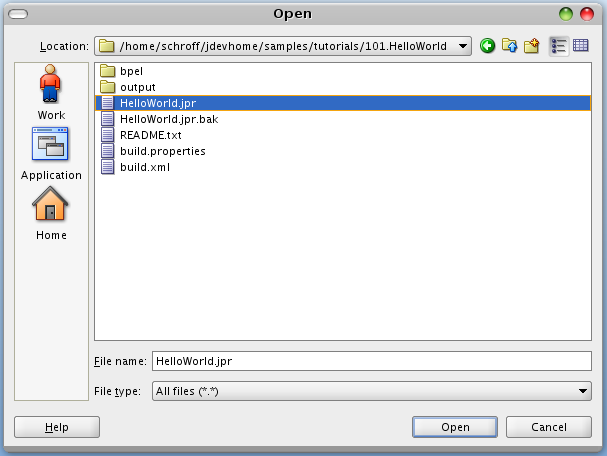
Now choose open and select the HelloWorld.jpr:

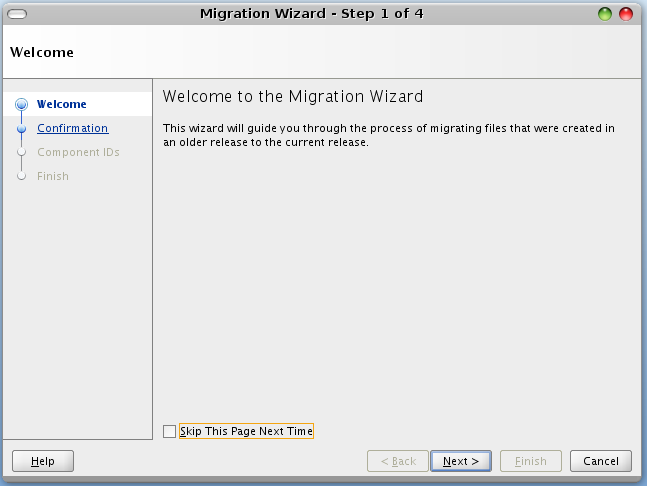
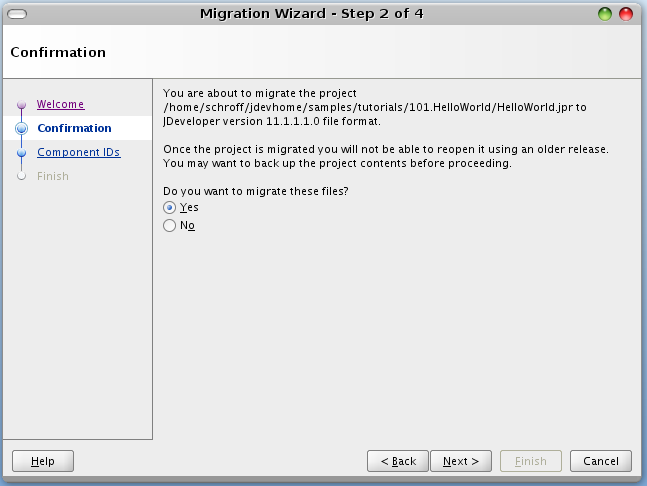
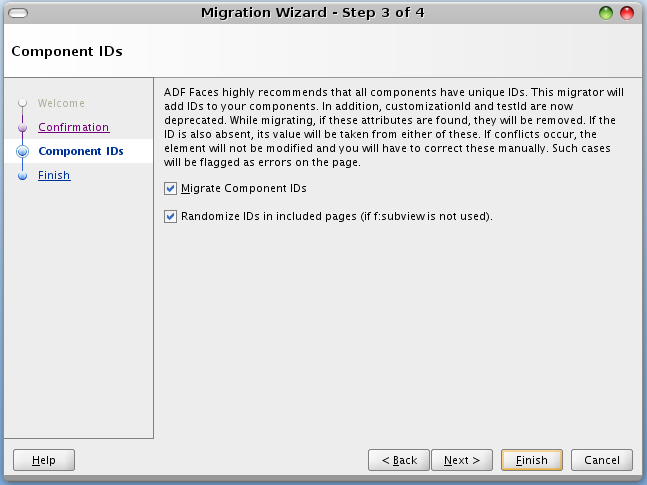
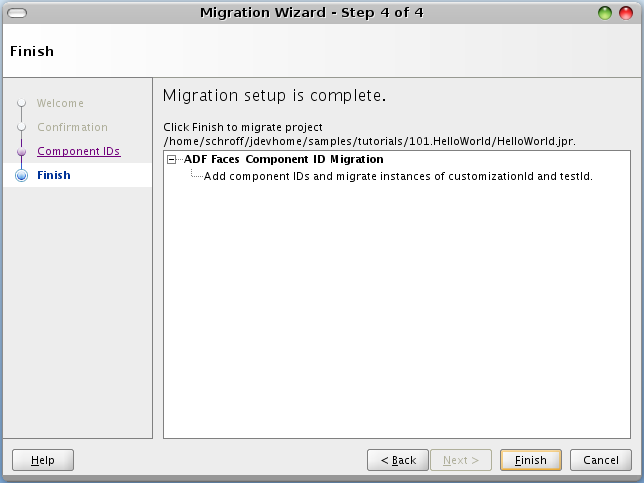
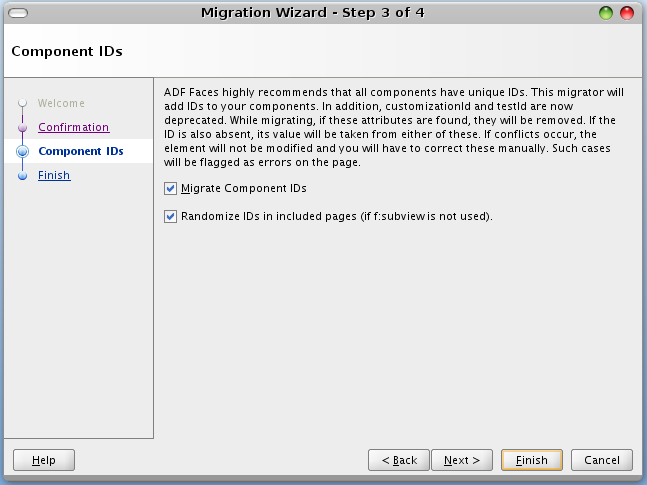
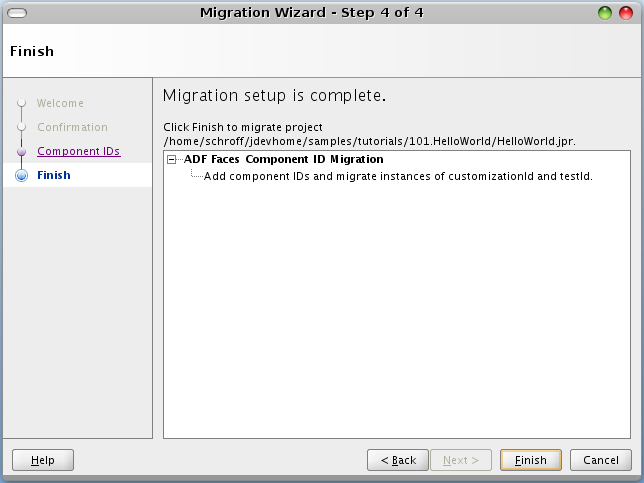
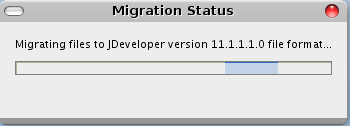
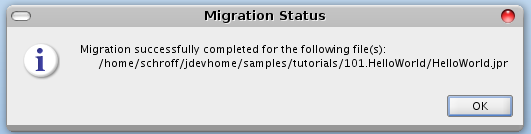
This starts the migration wizard:


And the wait:


Done! So let's see what happened.
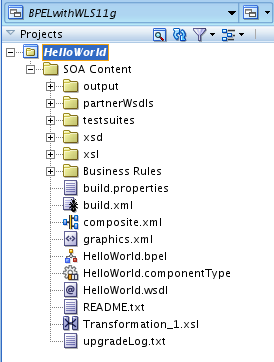
Ok, much more files than in 10g:

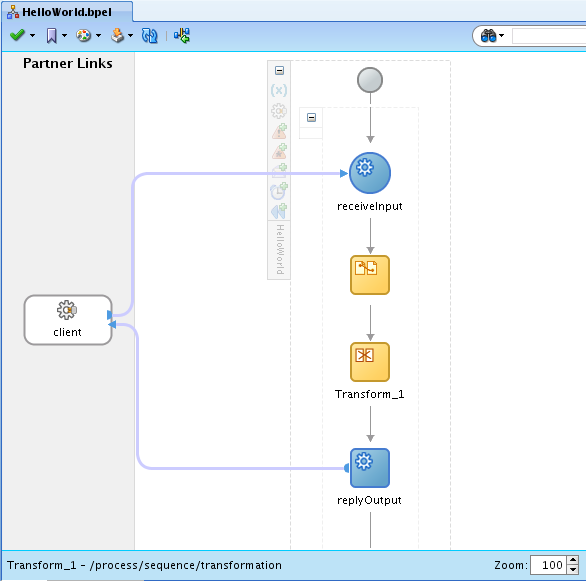
The bpel itself has one transformation more than before:

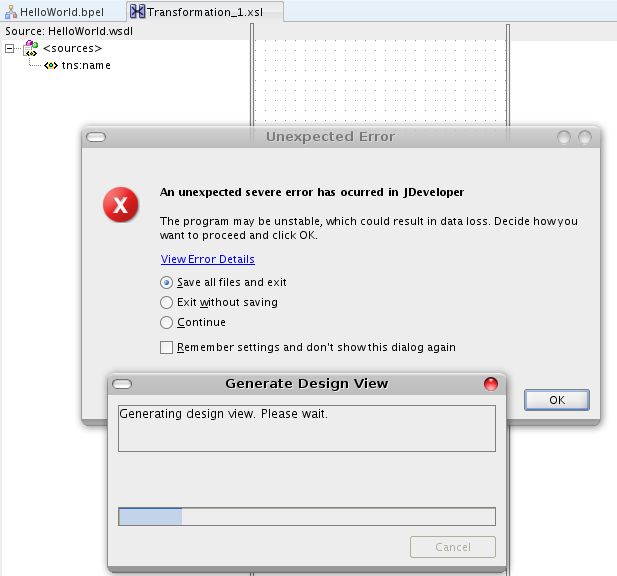
Opening the transformation, i got the following error:

But after restarting jdeveloper, i was able to access this xslt.

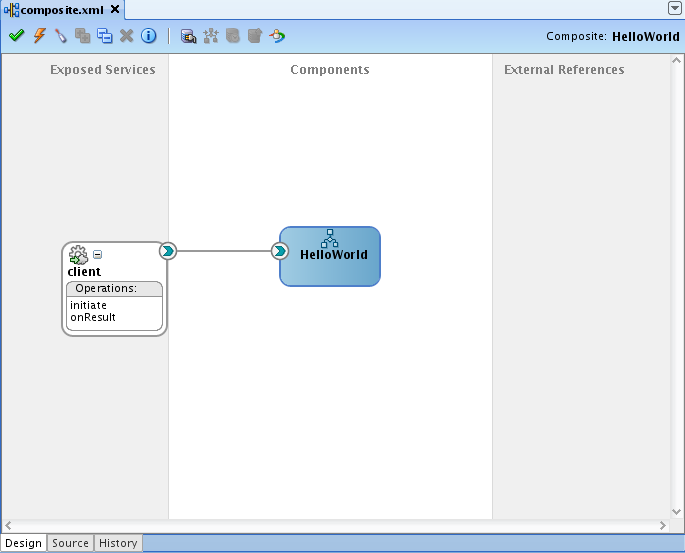
In addition a composite was generated:

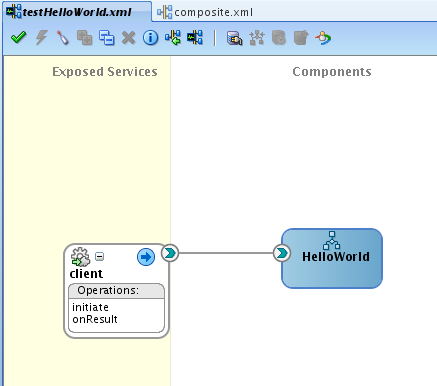
The test suite was migrated, too

As a difference to 10g the tests are added at composite level and not inside the bpel (the blue arrow inside the light blue circle).

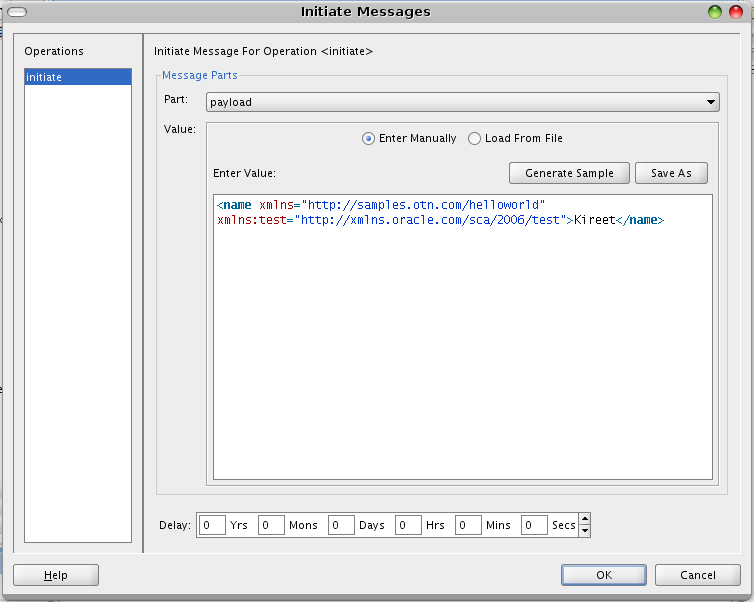
Double clicking this arrow opens this dialog:


And Generate Sample does really work (it changes Kireet to name1 ;-)....
Deploying and checking will be done in another posting.

Oct 22, 2008

The lost (collaxa) BPEL-tutorials: 102.InvokingProcesses

After some non-BPEL related blog entries, the next BPEL tutorial. I started with the tutorials 101 (setting up your environment), 103 (XML fragments), 104 (sync BPEL), 105 (async BPEL). Now i think it is time to look how BPEL processes can be invoked.
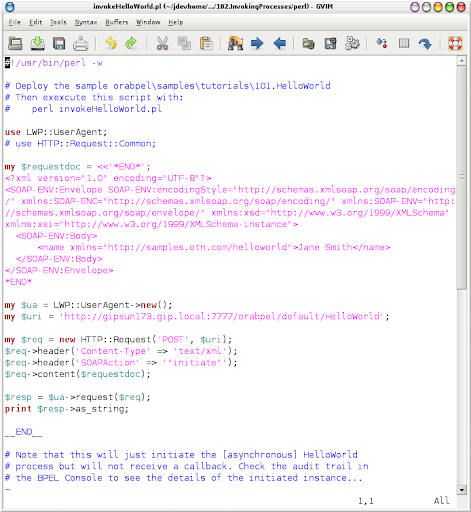
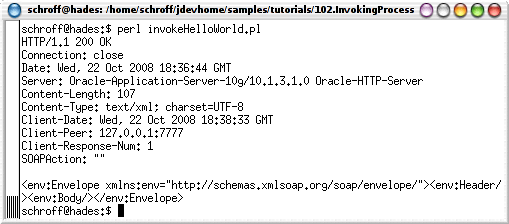
Let's start with invoking via Perl:
102.InvokingProcesses/perl/invokeHelloWorld.pl


To get this perl script running the helloWorld (101) has to be deployed. It very easy, just type


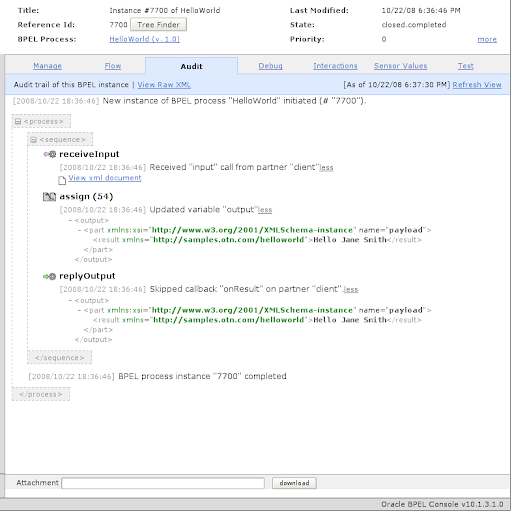
and just check, that the process was really invoked in the BPELConsole
(http://yourserver:7777/BPELConsole):


That's all. You only have to import

use LWP::UserAgent;
inside the Perl script and create a SOAP request.

This example was only the invocation of the asynchronous HelloWorld without waiting for the response. In the same directory you can find the
invokeCreditRatingService.pl. This scripts waits for the response of the BPEL process, but you have to deploy the CreditRatingService:

You can find it in $ORACLE_HOME/bpel/samples/utils/CreditRatingService (There is a CreditRatingService.jpr inside, so you can open it in your JDeveloper).
Invoking this BPEL via perl will show the following output:


And as you can see the perl script gets the result (560) of the BPEL...